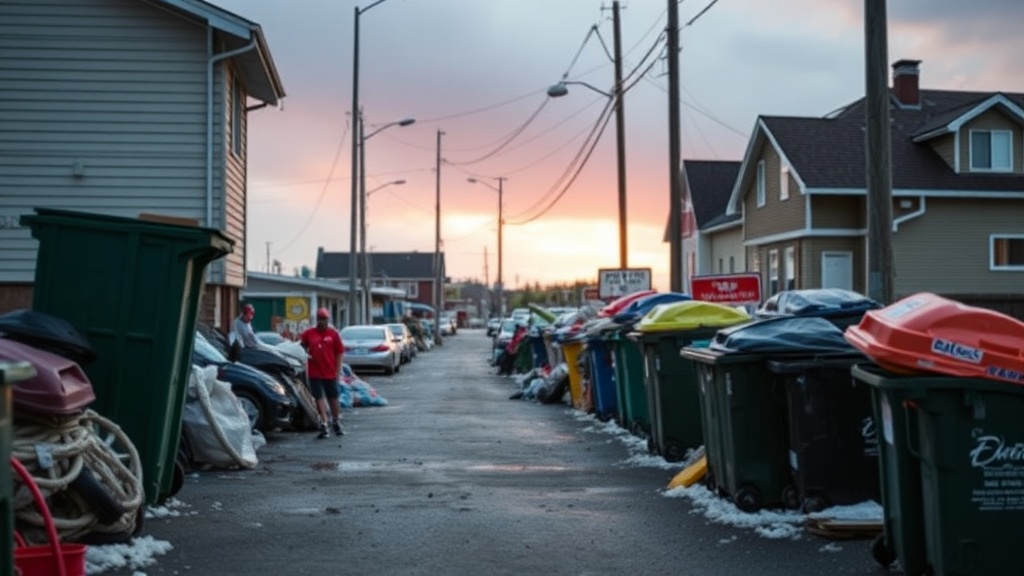
Sorting it Out: Navigating Mount Pearl's Waste Collection and Recycling

Sorting it Out: Navigating Mount Pearl's Waste Collection and Recycling
Did you know the average Canadian generates over 700 kilograms of waste each year? While that number might seem daunting, understanding our local waste management practices is one of the most effective ways we can collectively reduce our environmental impact right here in Mount Pearl. This guide breaks down everything you need to know about putting out your trash, what goes into recycling, and those less-common items that often leave us scratching our heads. Getting it right helps keep our community cleaner, prolongs the life of our landfill, and ensures our recycling efforts actually make a difference.
What Goes Where? Understanding Your Regular Garbage Collection
The black bin — it’s where most household waste ultimately ends up, but knowing what’s truly destined for the dump can prevent unnecessary items from filling it up. Generally, anything not recyclable or compostable in Mount Pearl’s specific programs belongs here. Think non-recyclable plastics (like plastic film, grocery bags, or styrofoam), broken ceramics, used hygiene products, and food-soiled paper products that can't be composted. It’s always a good idea to rinse out containers even if they're headed for the garbage to prevent odours and pests.
Collection days vary across the city, so checking the official schedule is your first step. The City of Mount Pearl provides a comprehensive calendar on its website — often with a handy search tool where you can input your address for precise dates. They also typically offer a mobile app or calendar download, which is incredibly useful for setting reminders, especially around holidays when schedules might shift. Remember, bins should be placed at the curb by 7:00 AM on collection day, but no earlier than the evening before.
When it comes to bulk items, things like old furniture, mattresses, or large appliances can’t just be left out with your regular trash. The City usually organizes special bulk waste collection days throughout the year, or you might need to arrange for a special pickup, sometimes for a fee. Always check the City's waste management guidelines or contact them directly before placing large items at the curb to avoid fines or missed pickups. Improper disposal can not only create an eyesore but also pose hazards to collection crews.
How Do We Recycle Effectively in Mount Pearl?
Mount Pearl participates in a robust blue bag recycling program, designed to recover valuable materials from our waste stream. The key to effective recycling, however, lies in understanding what materials are actually accepted and, just as importantly, what isn't. Contamination is a significant issue in recycling, meaning non-recyclable items mixed in with recyclables can spoil an entire batch, sending everything to the landfill instead.
Generally, you can place clean paper products (newspapers, magazines, flyers, cardboard — flattened, please!), plastic containers numbered 1 through 7 (yogurt cups, detergent bottles, milk jugs, pop bottles — rinsed, with caps removed), and metal containers (aluminum cans, steel food cans — rinsed) into your blue bags. Glass bottles and jars are also accepted, again, rinsed clean. It's important to remember that plastic bags and plastic film are typically NOT accepted in blue bag programs as they can jam sorting machinery. Instead, many local grocery stores offer drop-off bins for these specific items.
A common mistake is forgetting to rinse containers or leaving food residue. A quick rinse not only makes the item more appealing for sorters but also prevents mould and pests, ensuring the material can actually be processed. Another frequent error is including items that might *seem* recyclable but aren't, such as styrofoam, broken dishes, or medical waste. When in doubt, it’s always best to consult the official recycling guide provided by the Multi-Materials Stewardship Board (MMSB), which oversees Newfoundland and Labrador's recycling programs, or the City of Mount Pearl’s detailed list. These resources are updated periodically, so a quick check can make all the difference.
For residents looking to take their recycling game up a notch, consider separating materials into different blue bags — one for paper/cardboard, and another for plastics/metals/glass. While not strictly mandated by the city for curbside collection, it can help the sorting process downstream and encourages a more mindful approach to what you're tossing. Some households even find it easier to manage their recycling by having designated bins within their homes before transferring to blue bags.
Beyond Curbside: What About Organics and Hazardous Materials?
Mount Pearl has embraced an organics collection program, often utilizing green bins, which is a fantastic way to divert food scraps and yard waste from the landfill. This program turns what would otherwise be trash into nutrient-rich compost, benefiting our local environment. Accepted items typically include fruit and vegetable scraps, meat, fish, bones, dairy products, bread, pasta, coffee grounds, tea bags, and soiled paper products like paper towels or pizza boxes. Garden waste, leaves, and small branches also often make the cut.
The rules for organic waste are usually quite specific regarding what kind of liners can be used (often compostable bags are required or recommended) and how the bin should be maintained to prevent odours and pests. Keeping your green bin clean with regular rinses and perhaps a sprinkle of baking soda can go a long way. This program is a real opportunity to significantly reduce your household waste volume, sometimes cutting your regular garbage output by half. For detailed information on the green bin program, including collection schedules and acceptable materials, always refer to the City of Mount Pearl's official website: