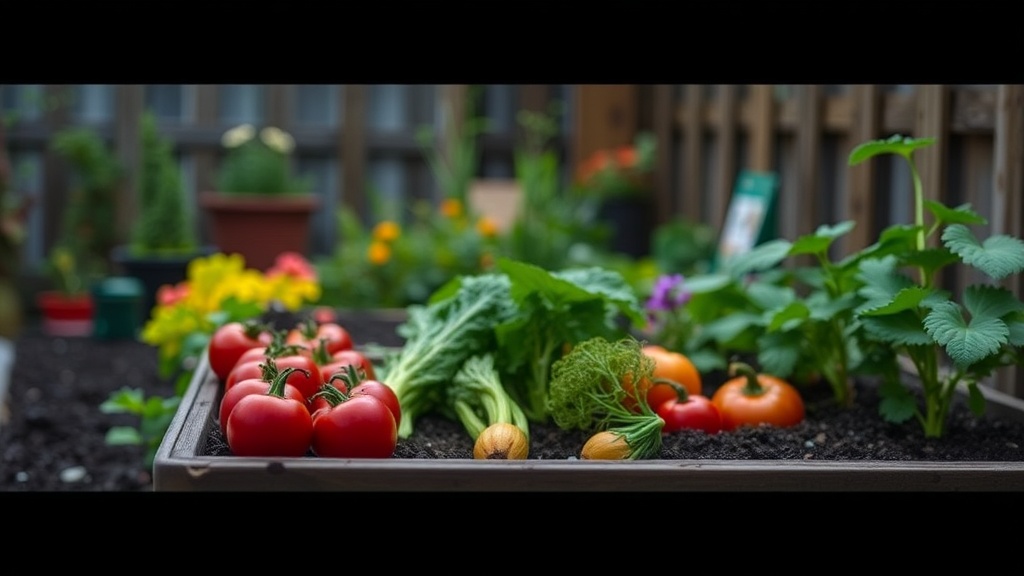
Starting a Productive Backyard Vegetable Garden in Mount Pearl

You'll learn how to select the right crops for our short growing season, prepare Newfoundland rocky soil, and manage the local pests that love your kale as much as you do. This guide breaks down the practical steps to turn a patch of grass or a rocky corner of your yard into a source of fresh food. Growing your own vegetables here isn't impossible, but it does require you to work with our specific weather patterns rather than against them.
Where is the best spot for a garden in a Mount Pearl backyard?
Before you pick up a shovel, you need to watch how the light moves across your yard. In Mount Pearl, our weather is famously unpredictable, but the sun still follows a set path. Most vegetables need at least six to eight hours of direct sunlight to thrive. If your yard is shaded by large spruce trees or your neighbor’s fence for most of the afternoon, your plants will struggle to produce much of anything beyond small, pale leaves. Look for the spot that gets the most morning and early afternoon sun—that’s your prime real estate.
Wind is the other big factor people often forget about. We get significant gusts coming off the barrens, and a cold wind can stunt the growth of young plants even if the sun is shining. If your chosen spot is wide open to the wind, you’ll need to think about a windbreak. This doesn't have to be a permanent structure; a simple lattice fence, some strategically placed shrubs, or even a row of taller, hardier plants like sunflowers can provide enough protection to keep your delicate lettuce from being shredded. Don't build a solid wall, though—you want to break the wind, not create a vacuum that causes turbulence on the other side.
What vegetables actually grow well in our Newfoundland weather?
You have to be realistic about what will actually reach maturity in our climate. While it’s tempting to try growing massive beefsteak tomatoes or long-season peppers, those usually require a greenhouse or a very lucky summer. For a reliable harvest in Mount Pearl, you’re better off focusing on "cool-weather" crops. These are plants that don't mind a bit of fog and can handle the occasional dip in temperature. Root vegetables are the superstars of the Newfoundland garden. Potatoes, carrots, turnips (rutabagas), and beets are almost guaranteed to succeed if you give them decent soil.
Greens are another excellent choice for our area. Kale, spinach, and Swiss chard are incredibly hardy—I've seen kale survive well into November even after a light dusting of snow. Lettuce also does well, though it can bolt (go to seed and turn bitter) if we happen to get a rare week of intense heat in July. Peas and beans are also worth the effort. Bush beans are often easier than pole beans because they don't require as much support and tend to mature faster. If you're set on tomatoes, look for "determinate" or "early" varieties that are bred for shorter seasons and smaller sizes, like cherry tomatoes.
How do you fix the rocky, acidic soil found in most local neighborhoods?
If you try to dig a hole in most Mount Pearl backyards, you’re likely to hit a "Newfoundland potato"—a large rock—within about three inches. Our natural soil is often heavy clay, full of stones, and quite acidic. This isn't ideal for most vegetables, which prefer loose, well-draining soil with a more neutral pH level. One of the best ways to deal with this is to build raised beds. By building a frame out of cedar or untreated lumber and filling it with a mix of topsoil, compost, and peat moss, you bypass the rocky ground entirely.
If you prefer to plant directly in the ground, you have some work ahead of you. You'll need to remove the largest rocks and then work in plenty of organic matter. Composting is a great way to improve your soil quality over time. You can find information on the