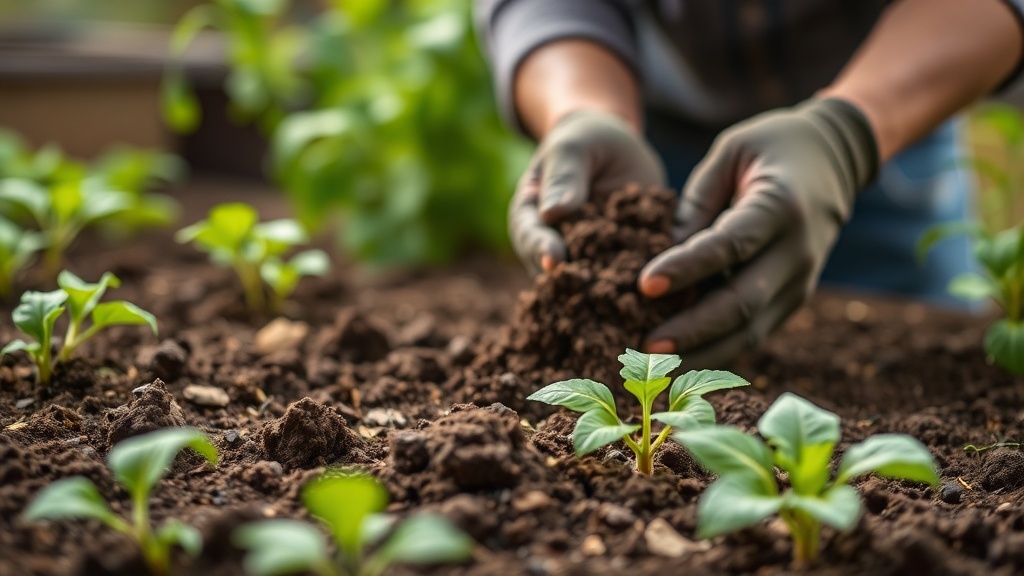
Keep Your Garden Soil Healthy with Local Compost

Quick Tip
Start a small compost bin in a shady corner of your yard to recycle organic waste into garden nutrients.
Imagine walking into a local garden center and seeing rows of wilted, yellowish seedlings that just won't thrive despite constant watering. It isn't a lack of sun or water; it's often a lack of life in the soil itself. This post looks at how using local compost can fix your soil structure and nutrient levels right here in Newfoundland.
Why Should You Use Compost in Your Garden?
Compost adds vital organic matter and beneficial microbes that help your plants survive our unpredictable Atlantic weather. While many people rely on synthetic fertilizers, these often provide a quick hit of nitrogen but don't improve the actual quality of the dirt. Local compost builds long-term soil structure—which is a big deal if you're dealing with heavy clay or sandy patches.
If you're already starting a productive backyard vegetable garden in Mount Pearl, you know that our growing season is relatively short. You want every advantage you can get. Adding compost helps retain moisture during those random dry spells and provides a steady release of nutrients.
Where Can I Get Good Compost in Newfoundland?
You can find high-quality compost at local nurseries, through municipal green bin programs, or even by starting your own pile at home.
Many local gardeners swear by the organic mixes found at major retailers like Home Hardware or specialized garden centers in the Avalon Peninsula. If you want to skip the store, making your own is a great way to recycle kitchen scraps. Just remember the ratio of "greens" (nitrogen) to "browns" (carbon) is the secret to success.
Here is a quick breakdown of your options:
| Source | Best For | Effort Level |
|---|---|---|
| Store-Bought Bags | Quick fixes/Raised beds | Low |
| Municipal Green Bin | Large scale garden beds | Medium |
| Home Composting | Long-term sustainability | High |
How Often Should I Add Compost to My Soil?
You should ideally add a fresh layer of compost to your garden beds once or twice a year—once in the spring and once in the fall. This keeps the nutrient cycle moving.
For heavy-duty vegetable beds, a thicker layer (about an inch) helps. For flower beds, a lighter dusting might suffice. According to the starting a productive backyard vegetable garden.