Savoring Seasonal Flavors at Local Farmers Markets

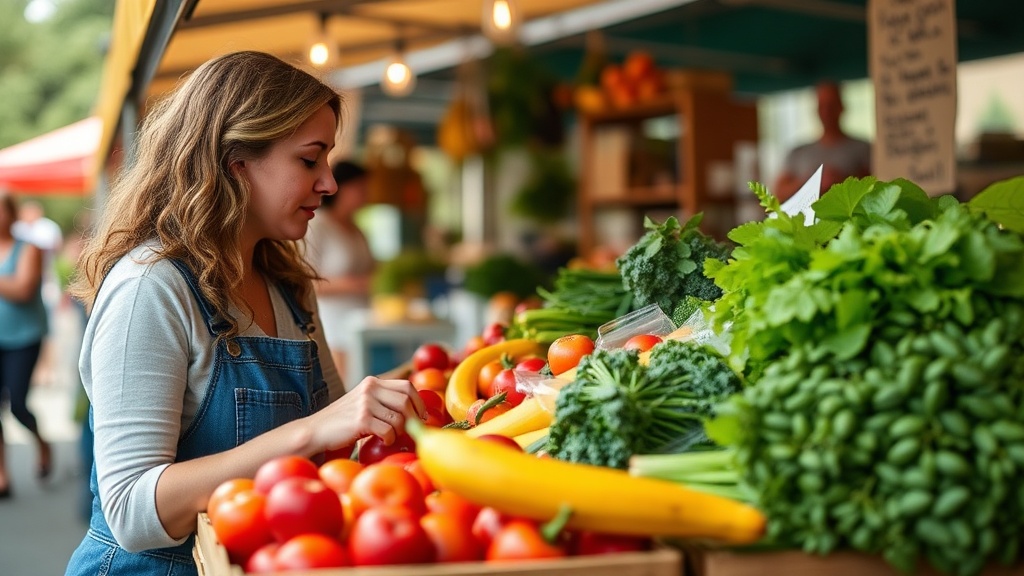
Have you ever wondered why a grocery store tomato tastes like nothing compared to the one you get at a local market? This post breaks down how to find the best seasonal produce in the Mount Pearl and greater Newfoundland area, why shopping local supports our Atlantic Canadian economy, and how to time your visits to get the freshest picks.
What are the best seasonal items to look for in Newfoundland?
The best seasonal items to look for in Newfoundland are much more focused on hearty root vegetables, berries, and seafood than the standard summer produce found in southern Canada. Because our growing season is relatively short, you'll find that the quality of food peaks during specific windows.
In the early spring, you're often looking at preserved goods—think pickles, jams, and fermented vegetables—while the summer brings the real heavy hitters. This is when the berry season hits. If you aren't grabbing fresh blueberries or even highbush cranberries during their peak, you're missing out.
As we move into late summer and autumn, the focus shifts toward the earthier flavors of the Atlantic coast. This is the time for potatoes, carrots, and cabbage. These aren't just any vegetables; they're the ones that have survived our unique soil conditions.
A Typical Seasonal Timeline for Newfoundland Markets:
- Late Spring/Early Summer: Fresh herbs, microgreens, and early leafy greens.
- Mid-Summer: Berries (blueberries, raspberries, strawberries), cucumbers, and summer squash.
- Late Summer/Fall: Root vegetables (potatoes, beets, carrots), onions, and apples.
- Year-Round: Local honey, artisanal breads, and various seafood products.
It's also worth noting that seafood is a staple. While not a "farmed" product in the traditional sense, the local catch is the backbone of our food culture. You might find vendors selling fresh Atlantic salmon or even local cod depending on the time of year.
If you want to understand the nutritional density of fresh produce versus long-haul imports, checking out the Government of Canada's food safety and nutrition resources is a great way to see why freshness matters. The nutrient loss during long-distance shipping is a real factor.
Where can I find local farmers markets near Mount Pearl?
You can find high-quality local products at several key locations, including the St. John's Farmers' Market, various community-led pop-ups, and specialized seasonal markets throughout the Avalon Peninsula.
The St. John's Farmers' Market is arguably the most famous, but it isn't your only option. For those living in Mount Pearl, you're incredibly close to some of the best vendors in the province. You don't have to travel far to find high-quality artisanal goods.
I've found that many smaller, community-driven markets pop up in different neighborhoods. These are often less about the "spectacle" and more about the direct connection between the grower and the eater. It’s a much more intimate experience. (And yes, the coffee at these events is usually much better than your standard office brew.)
When you're planning your weekend, keep these three types of venues in mind:
- Weekly Indoor Markets: These are consistent and great for weather-proof shopping. They often feature prepared foods, breads, and preserved goods.
- Outdoor Summer Markets: This is where the fresh produce and berries truly shine. The atmosphere is much more energetic.
- Specialty Food Festivals: These are more event-based but offer a deep dive into specific local products like honey or seafood.
If you're looking to pair your fresh market finds with a great outdoor experience, you might enjoy connecting with nature in Mount Pearl's outdoor areas once you've finished your shopping. It's a great way to spend a Saturday afternoon.
How much does local food cost compared to grocery stores?
Local food can sometimes have a higher upfront price point than big-box retailers, but it often provides better value through longevity, flavor, and nutritional density.
Here's the thing: it's easy to look at the price tag of a pint of berries and compare it to a cheap, mass-produced alternative. However, when you factor in the taste and the fact that local produce often lasts longer in your fridge, the math changes. A tomato from a local farm doesn't turn to mush in twenty minutes because it was bred for durability during shipping—it was bred for flavor.
| Product Type | Store-Bought (Mass Produced) | Local Farmers' Market |
|---|---|---|
| Flavor Profile | Mild, often watery. | Intense, seasonal, and rich. |
| Shelf Life | Shortened by travel/preservatives. | Longer if picked at peak ripeness. |
| Price Point | Lower per unit. | Higher per unit. |
| Economic Impact | Money leaves the province. | Keeps money in the local economy. |
Don't let the price tag scare you off. I often find that buying in bulk at markets—like a large bag of local potatoes or a flat of berries—actually saves money in the long run. You're paying for quality that actually makes your meals worth eating.
Beyond the price, there's the "hidden" cost of big-box shopping. You're often paying for the massive logistics and packaging required to get a strawberry from a different hemisphere to our shores. At the market, you're paying for the person who actually grew the strawberry.
If you're a gardener yourself, you might already know the value of good soil. For those interested in the science of growing their own, you can check out how to keep your garden soil healthy. It's a great way to bridge the gap between buying local and growing local.
One thing to remember: always check the weather. A rainy Saturday can change the entire vibe of a market. While some markets are indoor-based, many of our best outdoor finds depend on the Atlantic weather behaving itself. It's a bit of a gamble, but the payoff is usually worth the potential drizzle.
When you're browsing, don't be afraid to talk to the vendors. They aren't just there to sell a product; they're experts. If you aren't sure how to cook a specific type of local turnip or squash, just ask. They usually have great suggestions (and sometimes even recipes) to share.
The community aspect is what makes this so much more than a chore. You're not just running an errand; you're participating in the local culture. It's a way to stay connected to the seasons and to the people who live right alongside us in Newfoundland and Labrador.
Whether you're looking for the perfect berry for a summer dessert or just want a bag of much better tasting potatoes for a winter stew, the local markets are where it's at. Just remember to bring your reusable bags and a sense of adventure.